

Passengers from a cruise ship affected by a deadly hantavirus outbreak have safely disembarked and are returning to Canada. Eight infections and three deaths were reported onboard. Health officials continue monitoring exposed passengers, while experts note the Andes virus—linked to rodents—is rare but can spread between humans.

A Canadian study of 1.4 million births found mothers with endometriosis had a slightly higher risk of babies being born with congenital anomalies. Researchers say the increase is small, but findings highlight the need for better pregnancy counseling, more monitoring, and increased research into endometriosis and its broader health impacts.
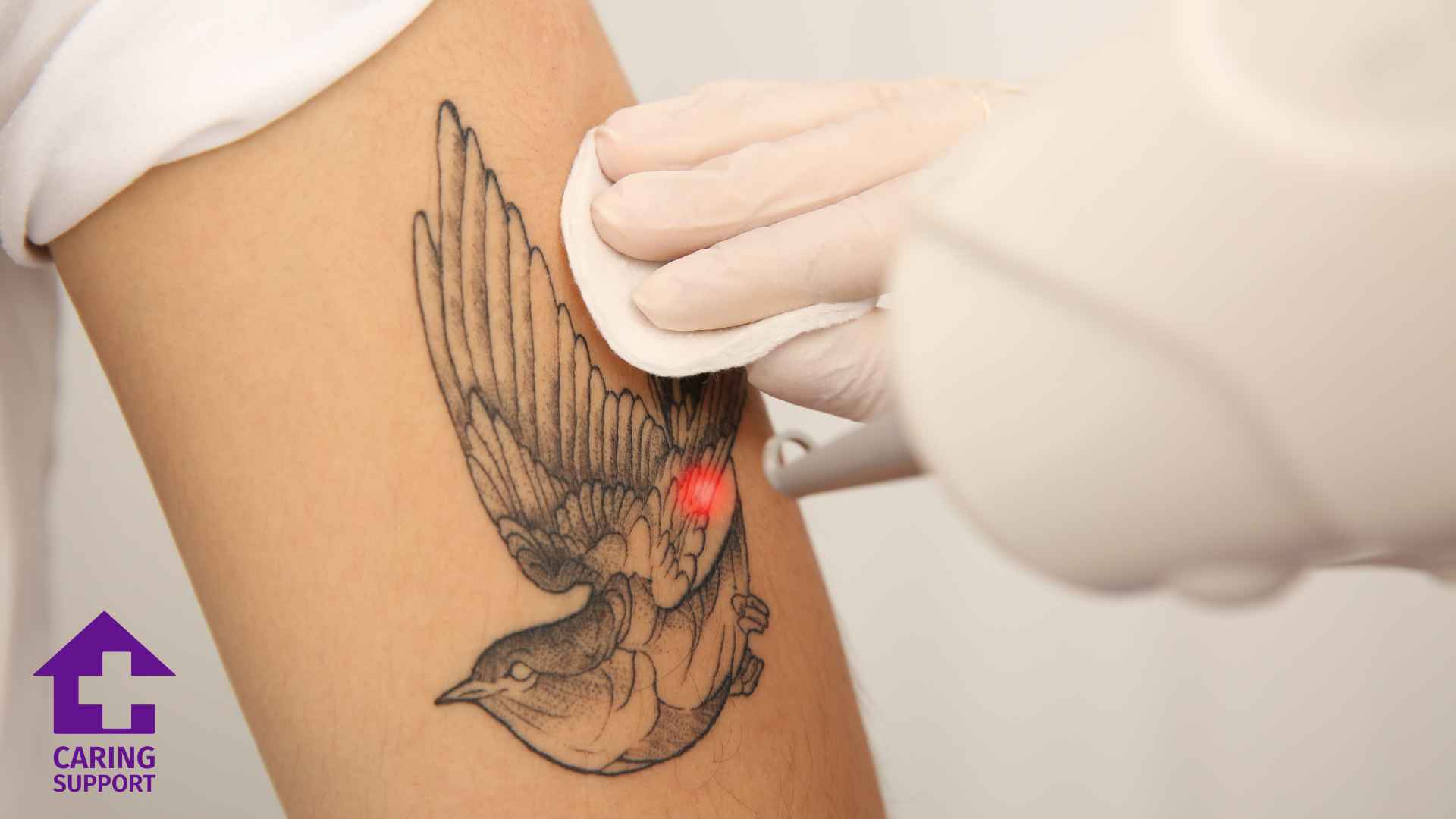
A rare condition called tattoo-associated uveitis is raising concerns after Canadians reported eye inflammation and vision loss linked to tattoo ink. Experts say the condition remains uncommon, but symptoms like swollen tattoos and light sensitivity should be checked immediately, as untreated cases can lead to permanent vision damage or blindness.

Energy drinks are increasingly popular among teens but may contain excessive caffeine—sometimes exceeding safe limits. A Consumer Reports study found some drinks had more caffeine than labeled. High intake is linked to insomnia, anxiety, and heart issues, raising concerns about health risks and the need for better awareness and monitoring.
Ontario will lower colorectal cancer screening from age 50 to 45 starting July 1 due to rising cases in younger adults. Early screening using at-home FIT tests aims to detect cancer sooner and reduce deaths. Experts call it a major step, urging other provinces to follow as diagnoses increase.

At 23, Jenny Milne’s symptoms were mistaken for asthma before tests revealed heart failure and other complications. After surgery, her condition improved. Experts warn heart failure is rising among young Canadians due to risk factors like obesity and hypertension, often going undiagnosed because symptoms are overlooked in younger patients.
We'll keep you updated on all new application updates and features!